Case Study
Citibank · Product Manager, Servicing Communications · 2020–2022
Servicing Communications Strategy
Moved the top 75 servicing letters, 95% of mailed volume, to digital-first delivery, cutting $2.3M a year in mailing costs. Dispute alerts reached 70% enrollment across 40M card customers.
The problem
Each physical letter cost about $3 to mail and took 3–5 days to arrive. Late information can mean missed deadlines, fees, or negative credit reporting for the customer.
Nobody had a full picture of what the bank sent: which system triggered each letter, whether it was legally required or optional, or how it was delivered. Some letters were still mail-merged by hand and carried to the mailroom.
What I did
Mapped every letter the bank sent
My analysis traced each letter to its trigger and source system and sorted it as legally required or optional. This was the groundwork for the Google Pay partnership. Google wanted no paper at all, and the inventory showed what could go digital, what couldn't, and how the communication APIs should be designed.
Made digital the default
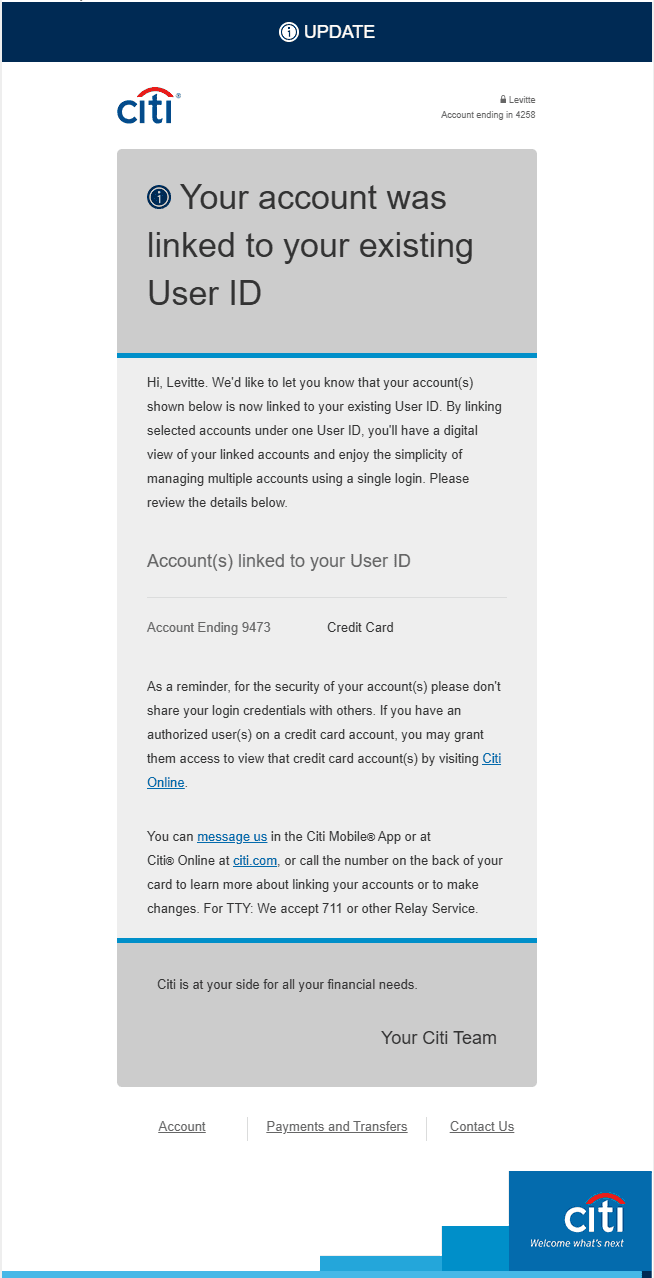
If a letter could be sent as email, it was, with paper as a fallback if delivery failed. For legally required notices, customers got a digital alert that a PDF was waiting in their document center. With legal and compliance, we decided channel by channel what could stop being printed.
Asked for push opt-in at the right moment
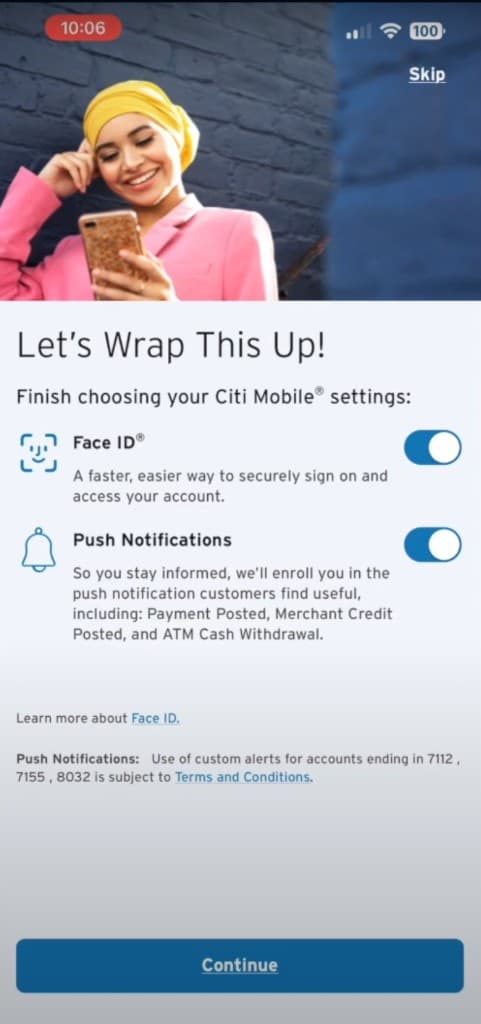
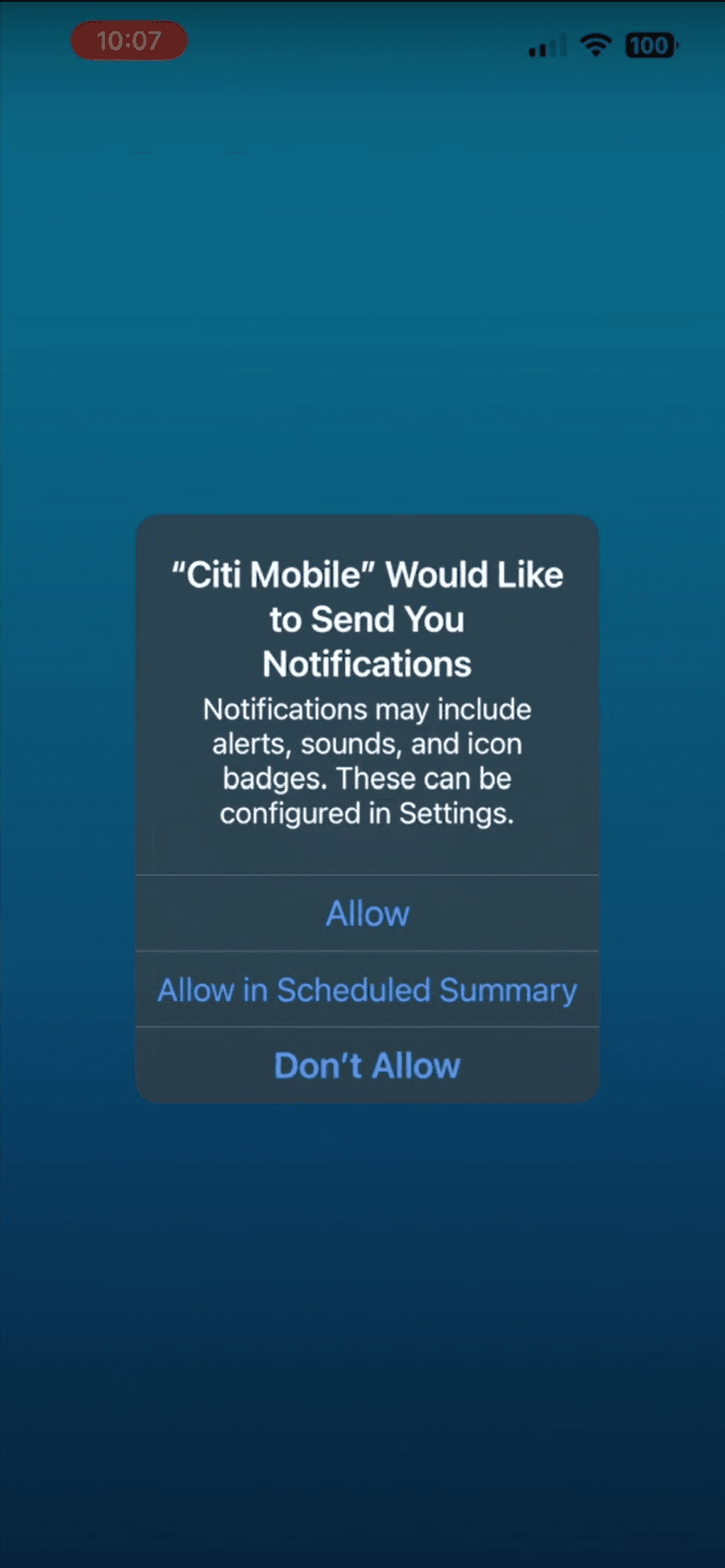
iOS requires opt-in, and a settings menu gave customers no reason to say yes. We put opt-in at account setup and inside the dispute flow, where the value was obvious, and added 12 new dispute-status alerts: status changes, requests for more information, and resolutions. Overall push adoption rose 15%.
Sent important alerts without waiting for sign-ups
We converted three subscription alerts to automatic push, under rules we set with stakeholders: the alert must need immediate action, the action must be possible in the app, and no more than three a day (fraud, collections, and subscribed alerts excepted).
The outcome
The top 75 servicing letters, covering 95% of mailed volume, moved to digital-first delivery, eliminating $2.3M a year in mailing costs. Dispute notifications reached 70% enrollment across 40 million credit card customers.
Customers get important information days sooner, and the bank spends far less on paper and postage.